Zoe Patterson · 4 November 2026
Ecologists and Authors Team Up as Cloud Data Informs Fictional Narratives
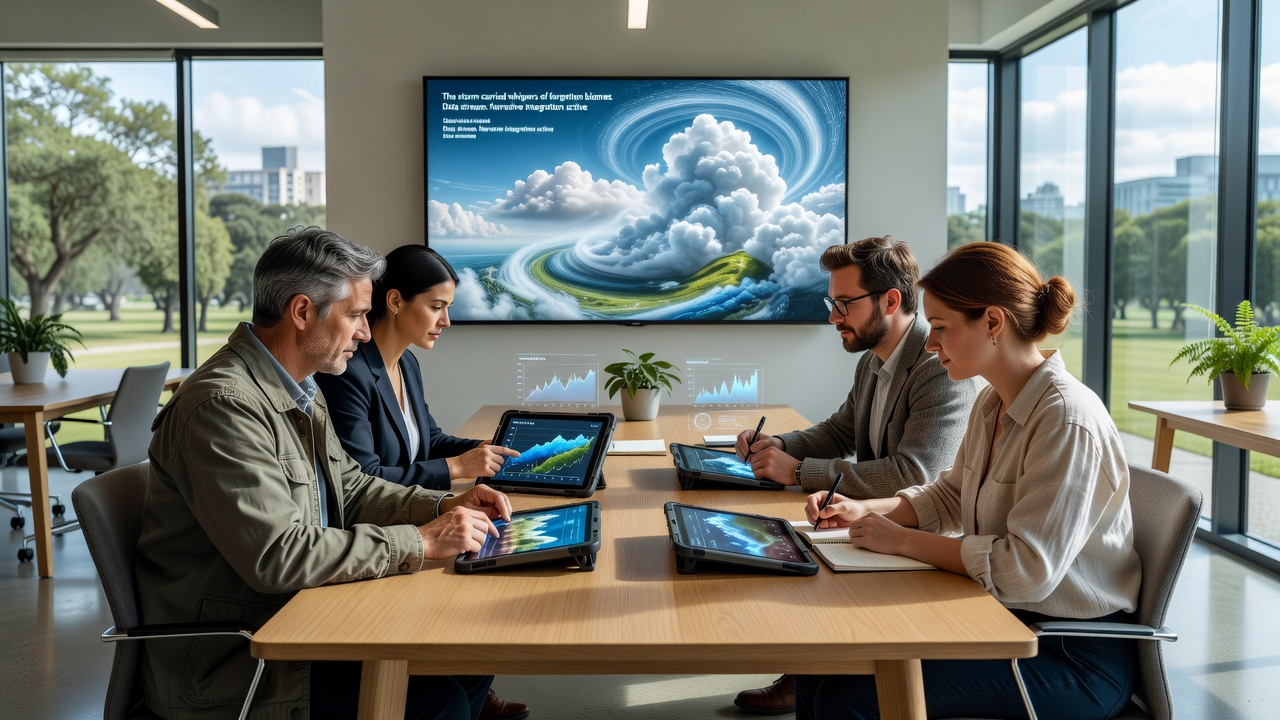
Ecologists have gathered extensive records on cloud dynamics and atmospheric patterns, while authors have begun integrating those precise observations into story structures that feature realistic weather systems as central elements; this approach draws from satellite measurements, ground station reports, and long-term climate models compiled by agencies across multiple continents.
Data sets released by the European Environment Agency in recent years track cloud cover variations with hourly resolution, and writers access these archives to anchor scenes in verifiable conditions rather than generic descriptions. Researchers note that such integration produces narratives where precipitation events align with documented seasonal trends, yet the fictional characters still navigate conflicts shaped by those same meteorological realities.
Data Sources Fuel Story Development
Teams at research institutions compile terabytes of cloud imagery daily, and authors review selected subsets during structured sessions that pair quantitative metrics with narrative prompts. One project coordinated through the Australian Bureau of Meteorology supplied hourly visibility readings from coastal stations, allowing a novelist to construct a sequence where fog movement dictates character movement across a regional landscape. Participants report that the shared datasets eliminate guesswork about cloud altitude and density, while leaving room for creative interpretation of human responses to those conditions.
Studies published in environmental journals document how cloud optical thickness influences light diffusion, and several fiction workshops now schedule dedicated modules that translate those physical properties into descriptive passages. In November 2026, a multi-day symposium will convene additional ecologists and writers to examine new lidar measurements from North American observatories, with the goal of expanding the range of atmospheric phenomena represented in upcoming manuscripts.
Workshop Formats and Regional Examples
Structured exchanges occur at university campuses and field stations, where ecologists present time-series graphs and authors draft scenes on the spot. Canadian research stations have contributed records of stratus cloud persistence during winter months, which informed a series of short stories set in boreal forests. These sessions emphasize direct mapping between measured variables and plot points, such as using wind shear data to determine the timing of a storm-driven revelation.
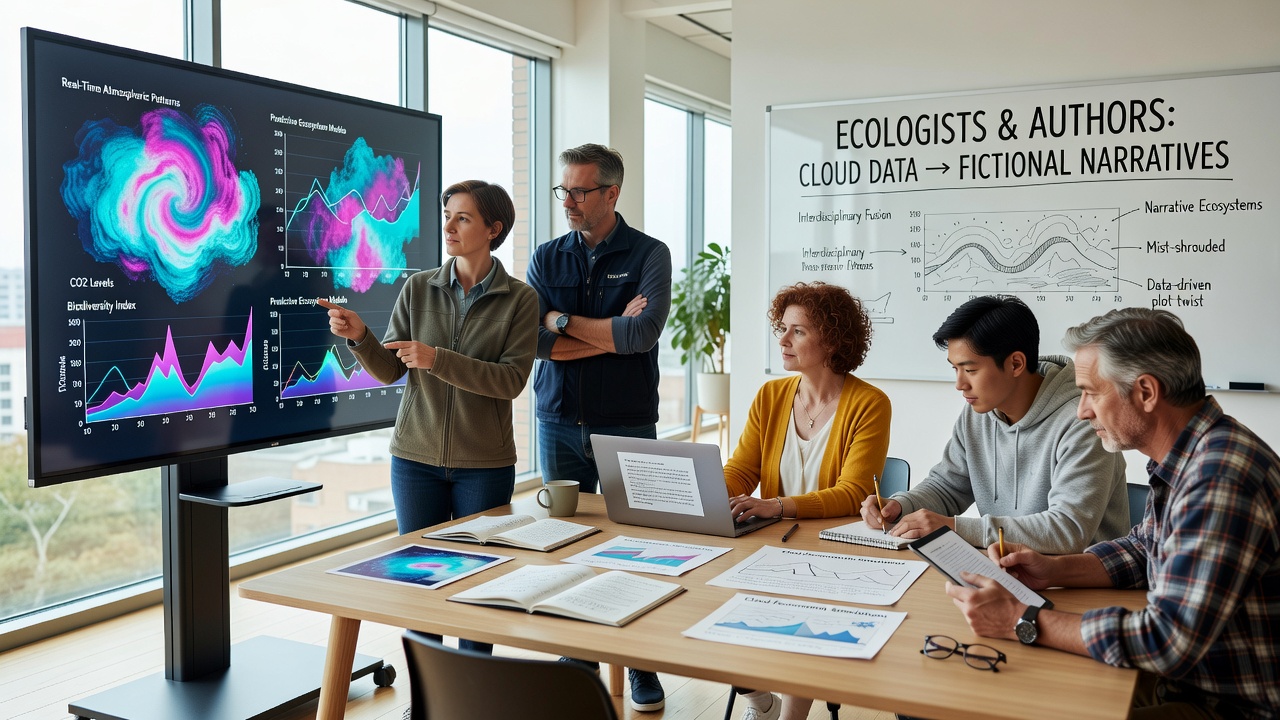
Participants from different literary traditions compare notes on how cloud data alters pacing, because rapid changes in cloud height can compress or extend perceived time within a chapter. Observers at these events record that the resulting manuscripts reference actual meteorological events without converting the stories into technical reports; instead, the atmospheric details serve character decisions and thematic arcs.
Impact on Narrative Accuracy
Published works that incorporate the datasets show measurable alignment with historical cloud frequency records, according to cross-checks performed by independent analysts. University libraries have begun cataloging these titles alongside the source data repositories, creating a traceable link between primary environmental measurements and secondary creative outputs. This linkage supports further research into how non-specialist audiences encounter scientific information through fiction.
Funding bodies in several countries have allocated modest grants to support continued pairings, recognizing that public engagement with cloud research increases when embedded in accessible story forms. The pattern repeats across genres, from literary fiction to speculative narratives, because the underlying measurements remain consistent regardless of plot direction.
Conclusion
Collaborations between ecologists and authors continue to expand as more datasets become publicly accessible through government and academic portals. These partnerships translate quantitative atmospheric observations into narrative elements that maintain fidelity to recorded conditions while advancing imaginative storytelling. Future rounds of work scheduled for late 2026 will incorporate additional parameters such as aerosol interactions and radiative forcing, further refining the factual foundation available to writers.